

Automated dental hygiene booking is the most effective way to ensure your preventative care department remains the financial engine of your practice. Many UK dental clinics still rely on a manual recall system that is both slow and inefficient. Receptionists spend hours every day scrolling through lists and calling patients who rarely answer their phones. This "recall chasing" creates a massive administrative burden. It also leads to gaps in the diary that represent thousands of pounds in lost revenue. By connecting your digital reminders directly to an online scheduling portal, you allow patients to book their own appointments in seconds. This shift not only saves time but also significantly increases the rate of returning patients. In a modern clinic, the hygiene department should be a predictable source of recurring income. However, when the booking process is difficult, patients often drift away. They forget to book their six-month check-up, and your front-desk team is too busy to follow up every single lead. Centralising this process through automation ensures that every patient receives a nudge at exactly the right time. The Problem with Manual Recall Systems Relying on phone calls for hygiene recalls is a strategy from a different era. Most people today find unexpected phone calls intrusive. They often ignore numbers they do not recognise. This leaves your staff leaving voicemails that are never returned. It is a cycle of wasted effort that frustrates your team and leaves your chairs empty. Moving to automated dental hygiene booking removes this friction. Instead of a phone call, the patient receives a friendly SMS or email. This message contains a direct link to your real-time diary. The patient can see exactly which slots are free and choose one that fits their schedule. They do not have to wait for your surgery to open or sit on hold. This convenience is what drives higher attendance rates and a healthier bottom line. Achieving Strategic Dental Practice Diary Optimization A successful clinic depends on a full and balanced schedule. Dental practice diary optimization is the process of ensuring your clinicians are always busy with the right types of appointments. Manual booking often results in "clumping," where your hygiene slots are either completely empty or overbooked. When you use automated dental hygiene booking , the system manages the flow of appointments for you. You can set specific rules to ensure that hygiene slots are filled in a way that maximises your surgery efficiency. For instance, you can program the system to offer slots that are adjacent to existing bookings. This reduces "white space" in the diary and ensures your dental hygienists are working at their full capacity. Dental practice diary optimization turns a chaotic schedule into a streamlined, high-performance engine for growth.

Dental marketing data centralization is the only way for modern clinics to understand which advertisements actually generate high-value patients. Many practice owners spend thousands of pounds on Google Ads, Facebook posts, and SEO every month. However, most cannot say exactly where their last dental implant lead came from. They struggle with fragmented systems that do not talk to each other. This lack of clarity leads to wasted budgets and missed growth opportunities. In a typical clinic, the front desk uses one system for emails. The marketing agency uses another for tracking clicks. Meanwhile, the clinical team uses a different software for the patient diary. When these tools are disconnected, data gets lost in the gaps. You see a spike in website traffic, but you do not see the corresponding rise in revenue. Centralising your data fixes this problem instantly. The Problem with Fragmented Software Most dental practices suffer from "software bloat." They pay for five different subscriptions to handle five different tasks. One tool sends newsletters. Another manages social media messages. A third handles online bookings. This fragmentation makes it impossible to see the big picture. When your data is scattered, you cannot calculate your true cost per acquisition. You might think your Instagram ads are working well. In reality, those leads might never book a consultation. Without dental marketing data centralization, you are making expensive business decisions based on guesswork. You need a single source of truth to grow with confidence. Monitoring Success via a Unified Dental Practice Dashboard The solution lies in a unified dental practice dashboard that pulls information from every channel. This dashboard connects your website, your social media, and your phone lines. It shows you the journey of a patient from their very first click to their final payment. A unified dental practice dashboard allows you to compare different marketing channels side by side. You can see that Google Ads brought in three veneer cases, while Facebook brought in ten hygiene check-ups. This level of detail helps you move your money to the channels that perform best. It turns marketing from a confusing expense into a predictable investment.
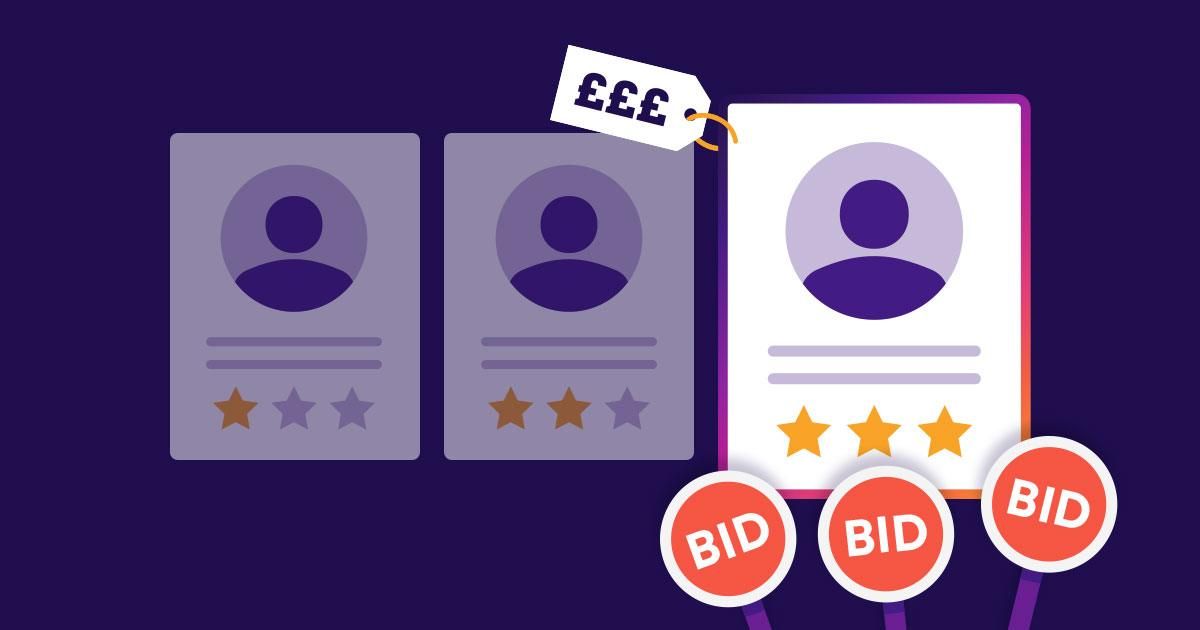
Value-based bidding for dentists is the most effective way to ensure your marketing budget is not simply subsidising Google’s bottom line while leaving your treatment rooms empty. If you have ever looked at your marketing dashboard and seen a high volume of clicks but a low number of high-value cases, you are likely a victim of "volume-based" bidding. For many practice owners, seeing a £3,000 monthly bill for Paid Advertising that only generates emergency extractions and price-shoppers is a source of constant frustration. At RankDent, we recognise that a £50 check-up lead is not worth the same as a £5,000 dental implant lead. Yet, most generic marketing agencies treat them identically. By transitioning to a value-based model, you can train Google's AI to prioritise the patients who actually drive growth for your clinic. In this guide, we will explore how UK dental professionals can take control of their dental advertising ROI and implement a strategy that rewards quality over quantity. The Practice Challenge: Why "More Leads" Can Be a Trap Many dentists feel pressured by local competition to simply "get more clicks." However, in a saturated UK market, this often leads to "click-waste." When your campaigns are set to maximise conversions without a value assigned to them, Google will find the cheapest conversions possible. Frequently, these are the "tyre-kickers" or patients seeking NHS services that you may not even have the capacity to provide. For a busy practice manager, handling 50 low-quality enquiries takes more time and yields less profit than handling five qualified Invisalign leads. This is where value-based bidding for dentists becomes a game-changer. It shifts the focus from "How many people clicked?" to "How much revenue did these clicks generate?" Industry Context: The 2026 Dental Landscape In 2026, the gap between NHS and private dentistry has widened. Private practices now face cost-per-click (CPC) rates of £8 to £15 for competitive terms like "dental implants London" or "Invisalign Manchester." To maintain a healthy dental advertising ROI , you can no longer afford to bid blindly. You must signal to the algorithm which patients are worth the premium.

How to Recover Missed Dental Inquiries: Automating Instant Text-Back Responses for New Patient Leads
Dental missed call recovery is the most effective way to stop losing potential patients to local competitors. When a dental practice phone rings and goes unanswered, the caller rarely leaves a voicemail. Instead, they hang up and call the next clinic on their Google search list. This represents a massive loss in potential revenue. Many clinics lose thousands of pounds every month because they cannot answer every single call. Staff members are often busy at the front desk. They might be checking in a patient or processing a payment. During these moments, the phone becomes a secondary priority. However, a missed call is a missed opportunity for a high-value treatment like dental implants or Invisalign. Automated systems now solve this problem instantly. Why Every Missed Call is a Revenue Leak A busy reception desk is a sign of a healthy clinic. However, it also creates a bottleneck. If your team is on another line, the new inquiry gets a dial tone or an answering machine. Most modern patients hate voicemails. They want immediate answers. If they do not get a person, they want a digital confirmation that their inquiry was received. Without a strategy for dental missed call recovery , you are essentially spending money on marketing to send leads to other dentists. You pay for SEO or social media ads to make the phone ring. Letting those calls go cold is a waste of your marketing budget. Leveraging an Automated Call Centre for Better Triage You do not need to hire more staff to answer every call. Technology can act as a 24/7 automated call centre to handle the overflow. When a call is missed, the system identifies the mobile number immediately. It then sends an instant, friendly text message to the caller. This message acknowledges the missed call and offers a way to book online. It keeps the lead warm. It stops the patient from looking for another dentist. This type of automated call centre technology ensures that your clinic stays professional and responsive, even when the doors are closed.
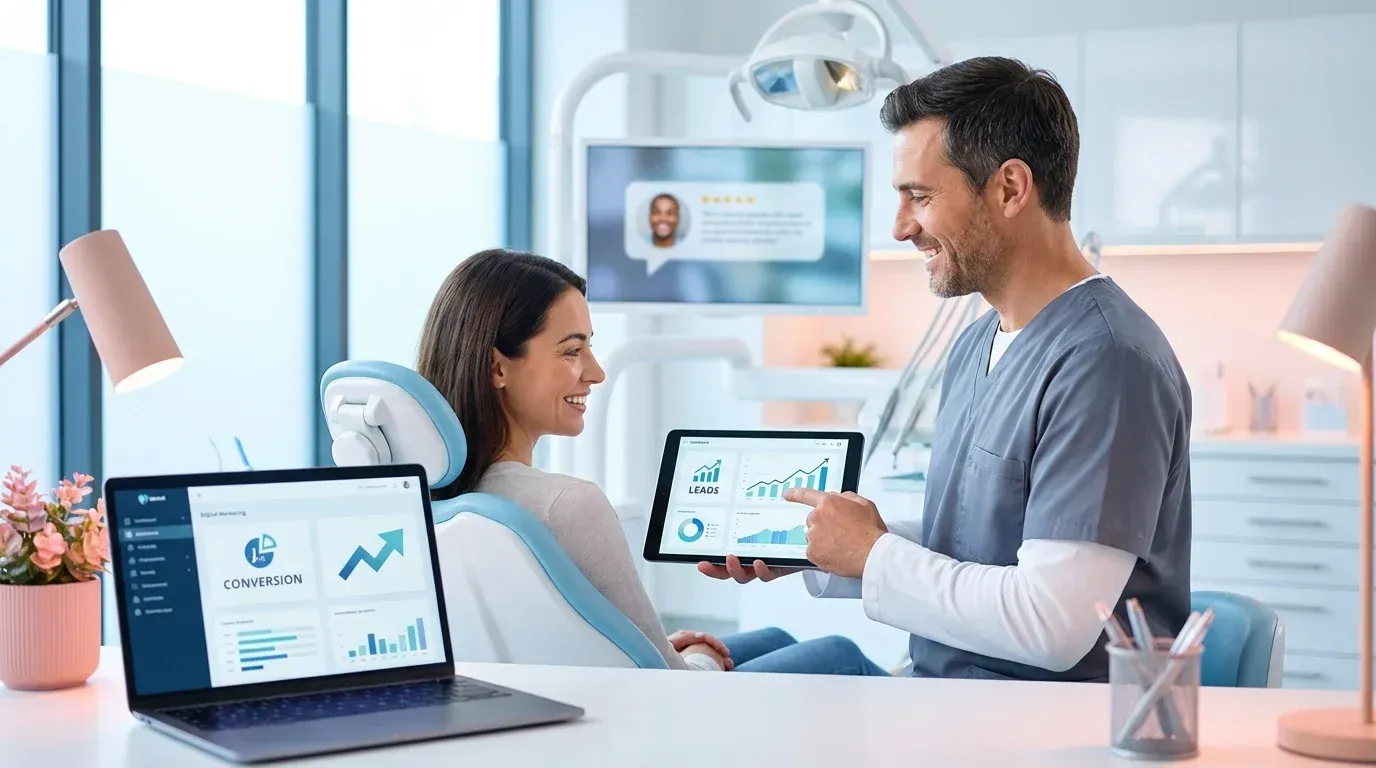
For many UK practice owners, the nuances of local SEO vs general SEO represent the difference between a fully booked surgery and an expensive, underperforming website. In the fast-evolving digital landscape of 2026, simply "having a website" is no longer a viable business strategy. As patient behaviour shifts toward "near me" searches and hyper-local intent, understanding where to allocate your marketing budget is critical for sustainable growth. At RankDent, we recognise that dental professionals are clinicians first and business owners second. You face unique challenges: strict GDC advertising regulations, rising operational overheads, and the constant pressure to fill your diary with high-value private cases like Invisalign or dental implants. This guide explores the strategic divide between local and general search engine optimisation, providing actionable insights to help you dominate your local "pond" rather than getting lost in the "digital ocean." The Practice Challenge: Why "General" Isn't Enough The primary frustration for many dentists is seeing their website rank for broad terms that don't convert into chair time. You might rank nationally for "what are porcelain veneers," but if those visitors live in Edinburgh and your practice is in Kent, that traffic has zero ROI. This is the fundamental conflict in local SEO vs general SEO. General SEO focuses on broad authority and national rankings. While this builds "brand fame," it often fails the "geographic test" required for a brick-and-mortar dental clinic. In contrast, dental local SEO is designed to capture patients within a specific catchment area (typically a 3–5 mile radius for urban practices) at the exact moment they are ready to book. The 2026 Search Landscape In 2026, Google’s algorithms are more sophisticated than ever. "Zero-click" results—where patients find your phone number, reviews, and address directly on the search results page—are now the norm. If your Practice Management strategy doesn't account for these local signals, you are essentially invisible to the 97% of patients who research online before choosing a provider. Defining the Strategy: Local SEO vs. General SEO for Dental Practices To build a profitable practice, you need to understand how these two pillars of SEO work together. What is General SEO in a Dental Context? General SEO involves optimising your site for broad, educational keywords. Focus: Treatment pillar pages, blog content about oral health, and technical site speed. Goal: Building "E-E-A-T" (Experience, Expertise, Authoritativeness, and Trustworthiness). Value: It educates patients and builds long-term trust, making them more likely to accept a treatment plan once they enter your practice. What is Dental Local SEO? This is your "enquiry engine." It focuses on the "Map Pack"—the three local business listings that appear at the top of Google. Focus: Google Business Profile (GBP) optimisation, local citations (NAP consistency), and location-specific keywords (e.g., "Emergency Dentist Bristol"). Goal: Immediate conversion and appointment bookings. Value: According to recent 2026 benchmarks, dental local SEO delivers a 400% higher conversion rate than general organic traffic because the user intent is localized and urgent.

Setting clear dental practice management goals is the first step toward transforming a busy surgery into a high-performance business. As we enter 2026, UK practice owners are navigating a landscape defined by 9.2% dental inflation, rising lab fees, and a shift in patient spending toward value-driven private care. For many, the "New Year" isn't just a calendar change; it is a critical window to audit operations and ensure that clinical excellence is matched by commercial efficiency. At RankDent , we exclusively partner with dental clinics to bridge the gap between chairside expertise and digital growth. We recognise that as a principal or manager, your primary focus is patient care. However, without a strategic roadmap for the coming months, even the most skilled clinicians can find themselves tethered to low-margin treatments while overheads continue to climb. This guide provides a professional framework to refine your dental practice management goals, optimise your dental practice profitability, and secure a competitive advantage in your local market. 1. Audit Your Treatment Mix for Maximum Profitability A common challenge in Practice Management is the "busy fool" syndrome—where the diary is full, but the bottom line remains stagnant. In 2026, the cost to generate revenue in many UK practices exceeds 60% of production. To improve dental practice profitability, you must distinguish between "maintenance" income and "growth" income. While check-ups and hygiene appointments provide the foundation, your profitability relies on high-value private treatments like Invisalign, dental implants, and composite bonding. The Resolution: Review your previous year’s data. Identify which treatments yielded the highest margins after lab fees and associate pay. The Goal: Aim to shift 15% of your total chair time from routine "scale and polish" work to restorative or cosmetic cases. 2. Optimise Your Digital "Front Door" With 97% of UK patients researching online before booking, your website and Google Business Profile (GBP) are now your most active receptionists. One of your core dental practice management goals should be "zero-friction" conversion. The Strategy: Ensure your website features a clear, mobile-friendly online booking system. In 2026, patients expect to book a consultation at 9 PM on a Sunday without waiting for a callback. RankDent Insight: We often see practices spend thousands on traffic but lose patients because their "Book Now" button is hidden or requires a long form. A seamless user experience (UX) can increase your conversion rate by over 20% without spending an extra penny on ads.

At RankDent, we specialise exclusively in dental clinics. We’ve helped UK practices align marketing and operations to achieve measurable, compliant growth.
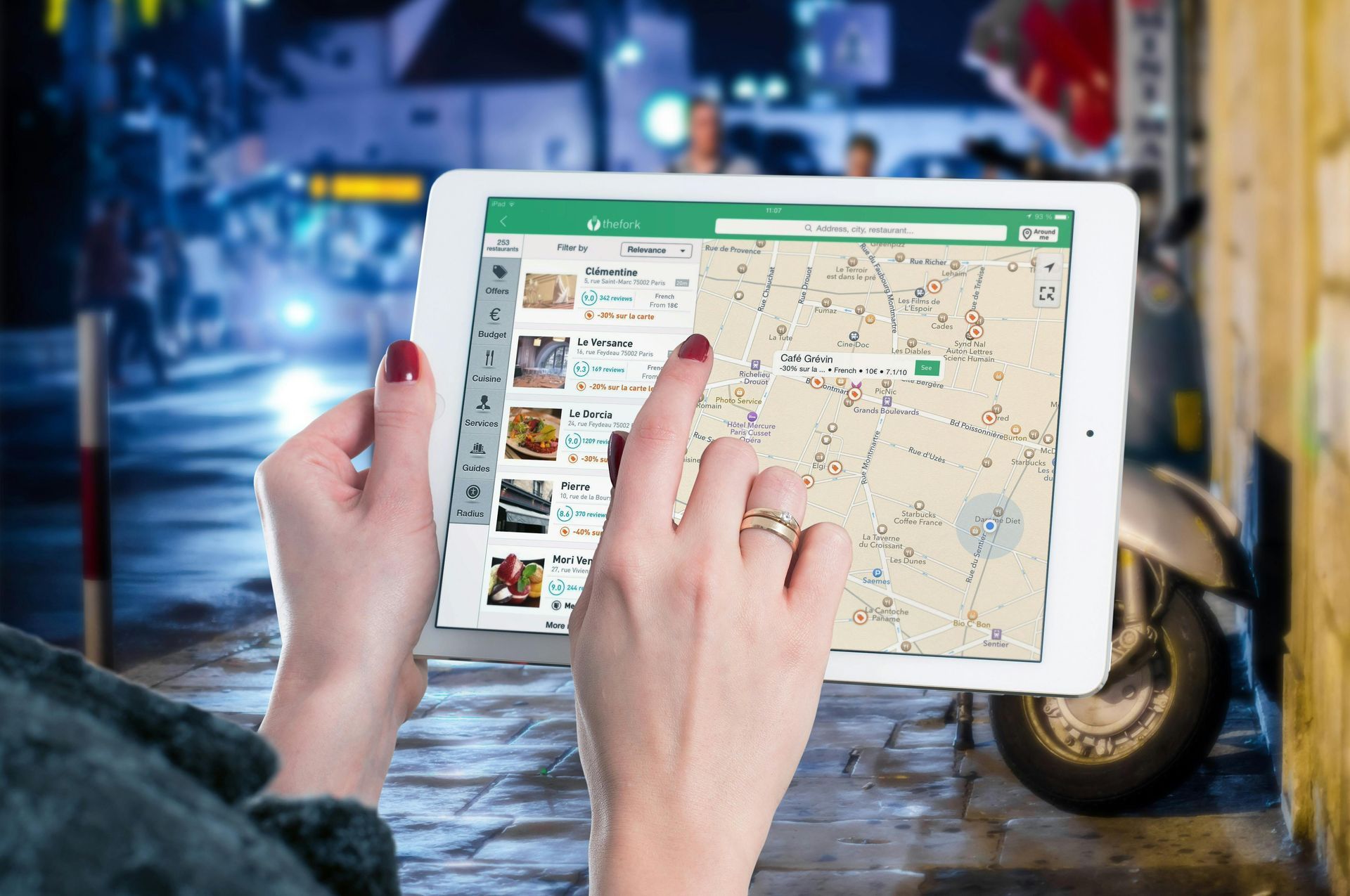
Discover how weekly Google Business Profile posts for root-canal offers generated 120 extra direction requests in 8 weeks. A full Google Maps SEO strategy for dentists.

Learn how Suite/Unit address mistakes cause dentists to lose 23% of Google Map clicks. Fix NAP issues with a strong dental directory listing in London.

At RankDent, we only work with dental clinics, so we understand the nuances of patient behaviour, NHS versus private positioning, and GDC regulations. If you’d like to see how your practice stacks up, book a strategy consultation or request a marketing audit today.