




For many UK practice owners, the nuances of local SEO vs general SEO represent the difference between a fully booked surgery and an expensive, underperforming website. In the fast-evolving digital landscape of 2026, simply "having a website" is no longer a viable business strategy. As patient behaviour shifts toward "near me" searches and hyper-local intent, understanding where to allocate your marketing budget is critical for sustainable growth. At RankDent, we recognise that dental professionals are clinicians first and business owners second. You face unique challenges: strict GDC advertising regulations, rising operational overheads, and the constant pressure to fill your diary with high-value private cases like Invisalign or dental implants. This guide explores the strategic divide between local and general search engine optimisation, providing actionable insights to help you dominate your local "pond" rather than getting lost in the "digital ocean." The Practice Challenge: Why "General" Isn't Enough The primary frustration for many dentists is seeing their website rank for broad terms that don't convert into chair time. You might rank nationally for "what are porcelain veneers," but if those visitors live in Edinburgh and your practice is in Kent, that traffic has zero ROI. This is the fundamental conflict in local SEO vs general SEO. General SEO focuses on broad authority and national rankings. While this builds "brand fame," it often fails the "geographic test" required for a brick-and-mortar dental clinic. In contrast, dental local SEO is designed to capture patients within a specific catchment area (typically a 3–5 mile radius for urban practices) at the exact moment they are ready to book. The 2026 Search Landscape In 2026, Google’s algorithms are more sophisticated than ever. "Zero-click" results—where patients find your phone number, reviews, and address directly on the search results page—are now the norm. If your Practice Management strategy doesn't account for these local signals, you are essentially invisible to the 97% of patients who research online before choosing a provider. Defining the Strategy: Local SEO vs. General SEO for Dental Practices To build a profitable practice, you need to understand how these two pillars of SEO work together. What is General SEO in a Dental Context? General SEO involves optimising your site for broad, educational keywords. Focus: Treatment pillar pages, blog content about oral health, and technical site speed. Goal: Building "E-E-A-T" (Experience, Expertise, Authoritativeness, and Trustworthiness). Value: It educates patients and builds long-term trust, making them more likely to accept a treatment plan once they enter your practice. What is Dental Local SEO? This is your "enquiry engine." It focuses on the "Map Pack"—the three local business listings that appear at the top of Google. Focus: Google Business Profile (GBP) optimisation, local citations (NAP consistency), and location-specific keywords (e.g., "Emergency Dentist Bristol"). Goal: Immediate conversion and appointment bookings. Value: According to recent 2026 benchmarks, dental local SEO delivers a 400% higher conversion rate than general organic traffic because the user intent is localized and urgent.

Setting clear dental practice management goals is the first step toward transforming a busy surgery into a high-performance business. As we enter 2026, UK practice owners are navigating a landscape defined by 9.2% dental inflation, rising lab fees, and a shift in patient spending toward value-driven private care. For many, the "New Year" isn't just a calendar change; it is a critical window to audit operations and ensure that clinical excellence is matched by commercial efficiency. At RankDent , we exclusively partner with dental clinics to bridge the gap between chairside expertise and digital growth. We recognise that as a principal or manager, your primary focus is patient care. However, without a strategic roadmap for the coming months, even the most skilled clinicians can find themselves tethered to low-margin treatments while overheads continue to climb. This guide provides a professional framework to refine your dental practice management goals, optimise your dental practice profitability, and secure a competitive advantage in your local market. 1. Audit Your Treatment Mix for Maximum Profitability A common challenge in Practice Management is the "busy fool" syndrome—where the diary is full, but the bottom line remains stagnant. In 2026, the cost to generate revenue in many UK practices exceeds 60% of production. To improve dental practice profitability, you must distinguish between "maintenance" income and "growth" income. While check-ups and hygiene appointments provide the foundation, your profitability relies on high-value private treatments like Invisalign, dental implants, and composite bonding. The Resolution: Review your previous year’s data. Identify which treatments yielded the highest margins after lab fees and associate pay. The Goal: Aim to shift 15% of your total chair time from routine "scale and polish" work to restorative or cosmetic cases. 2. Optimise Your Digital "Front Door" With 97% of UK patients researching online before booking, your website and Google Business Profile (GBP) are now your most active receptionists. One of your core dental practice management goals should be "zero-friction" conversion. The Strategy: Ensure your website features a clear, mobile-friendly online booking system. In 2026, patients expect to book a consultation at 9 PM on a Sunday without waiting for a callback. RankDent Insight: We often see practices spend thousands on traffic but lose patients because their "Book Now" button is hidden or requires a long form. A seamless user experience (UX) can increase your conversion rate by over 20% without spending an extra penny on ads.

For many UK practice owners, the arrival of January brings a familiar surge in enquiries as patients embrace the new year new smile mindset. This seasonal shift represents a significant commercial opportunity for private and mixed practices to grow their cosmetic revenue. However, with the dental market becoming increasingly saturated and patient expectations evolving, a generic "January Sale" approach is no longer sufficient to secure high-value cases. As a specialist dental marketing agency, RankDent understands that your time is best spent in the surgery, not wrestling with algorithm updates. In this guide, we will break down how to capture the new year new smile demand through evidence-based strategies that respect GDC compliance while delivering a tangible return on investment. The "Resolution" Patient : Understanding the January Mindset The "Resolution Maker" is a unique demographic. Unlike emergency patients driven by pain, these individuals are motivated by self-improvement and "social proof." In the UK, data from early 2026 suggests that dental new year resolutions have shifted away from simple whitening and toward comprehensive aesthetic changes, such as composite bonding, Invisalign, and full smile makeovers. Why This Matters in 2026 The current economic landscape has made patients more discerning. They aren't just looking for "cheap" treatment; they are looking for value, expertise, and trust. With 97% of UK patients researching online before booking, your digital presence is often the first and only chance you have to convert a resolution maker into a consultation. Strategic Implementation: Capturing the New Year New Smile Demand To effectively market a new year new smile campaign, your practice needs a multi-channel approach that addresses the patient journey from initial search to the clinical chair. 1. High-Intent Search Optimisation (SEO) When patients search for "cosmetic dentist near me" or "Invisalign London" in January, they are in the consideration phase. Action: Ensure your website has dedicated landing pages for your core cosmetic services. The RankDent Insight: We focus on "intent-based" keywords. It is better to rank #1 for "composite bonding [Your Town]" than #10 for a generic term like "dentist." 2. Social Proof and Visual Storytelling Visual treatments require visual marketing. Instagram and TikTok are the primary drivers for cosmetic dentistry in 2026. Action: Use "Case of the Week" reels. Show the journey, not just the result. Compliance Note: Under GDC Principle 4, you must obtain explicit, written consent for all clinical photos used in marketing. Ensure your "before and after" images are not misleading or edited to create an unrealistic expectation. 3. Paid Search for Immediate Capacity If you have gaps in your February and March diary, Google Ads provide the fastest route to filling them. Action: Run targeted campaigns for dental new year resolutions keywords. ROI Tip: Focus on high-value treatments where the Cost Per Acquisition (CPA) makes sense. A £300 CPA is sustainable for a £4,000 Invisalign case, but not for a hygiene appointment.

At RankDent, we specialise exclusively in dental clinics. We’ve helped UK practices align marketing and operations to achieve measurable, compliant growth.
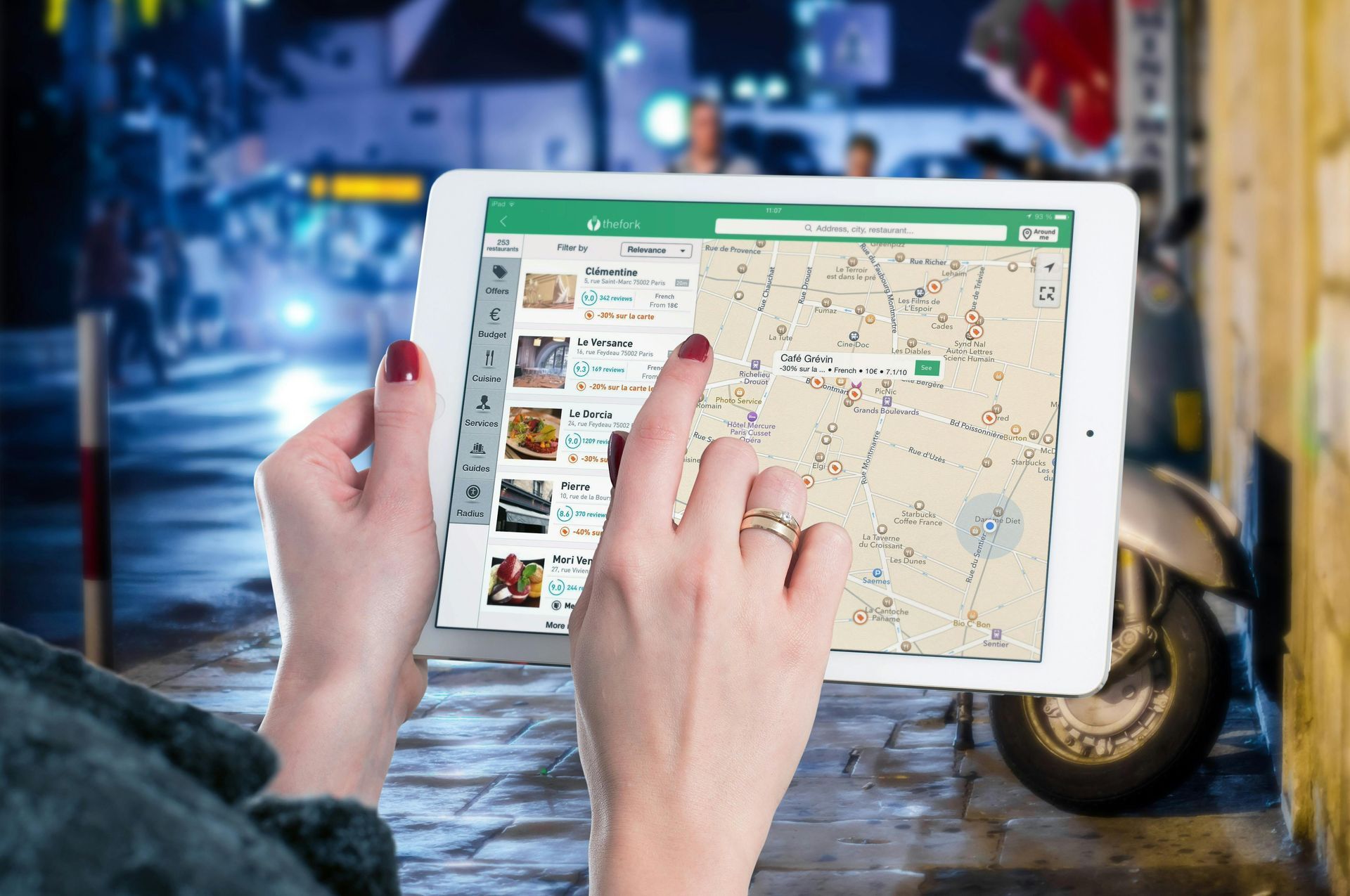
Discover how weekly Google Business Profile posts for root-canal offers generated 120 extra direction requests in 8 weeks. A full Google Maps SEO strategy for dentists.

Learn how Suite/Unit address mistakes cause dentists to lose 23% of Google Map clicks. Fix NAP issues with a strong dental directory listing in London.

At RankDent, we only work with dental clinics, so we understand the nuances of patient behaviour, NHS versus private positioning, and GDC regulations. If you’d like to see how your practice stacks up, book a strategy consultation or request a marketing audit today.

Halloween provides a unique opportunity to connect with patients while strengthening your brand. Whether you run an NHS or private clinic, one well-executed idea can improve visibility, patient trust, and long-term retention.

Discover how Australian dentists can improve their Google search rankings using optimized business listings. Learn tips on Google My Business, citations, and local SEO strategies to attract more patients.

Singapore dentists, elevate your Google visibility with effective business listings. Explore Google My Business setup, local citations, and SEO best practices to grow your patient base.